
Excavator ECU Controller Programming: An Overview
Modern excavator ECU controllers require specialized programming tools and software to configure engine parameters, hydraulic flow rates, and implement response curves. Programming typically involves connecting a laptop with dealer-level software to the ECU via a diagnostic interface.
Calibration Procedures for Excavator ECU Controllers
- Pre-Calibration Checks: Verify battery voltage (24V systems), check all sensor connections, and ensure the diagnostic interface is functioning.
- Throttle Position Sensor Calibration: Follow the manufacturer step-by-step procedure to synchronize the throttle pedal/lever with the ECU input range.
- Hydraulic Pump Pressure Calibration: Use the service software to adjust pump displacement and pressure settings for optimal performance and fuel efficiency.
- Implement Control Calibration: Calibrate boom, arm, and bucket position sensors to ensure precise control and prevent overshoot.
Required Tools for ECU Programming and Calibration
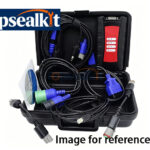
Dealer-level diagnostic software (e.g., CAT ET, Komatsu DM, Volvo MATRIS), a reliable diagnostic interface (RP1210-compatible), and a rugged laptop with serial or USB connectivity are essential. Always use genuine or high-quality aftermarket cables to avoid communication errors.
Best Practices for ECU Controller Reprogramming
Before reprogramming, back up the original ECU calibration data. Ensure stable power supply during flashing to prevent ECU bricking. After programming, perform a complete system calibration and verify all functions with a test drive.
For more insights into excavator electrical systems, read our guide to Excavator Wiring Harness: The Complete Guide to Electrical System Architecture and Diagnostics and learn how Solenoid Valve Technology Evolution interacts with modern ECU controllers.