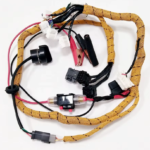
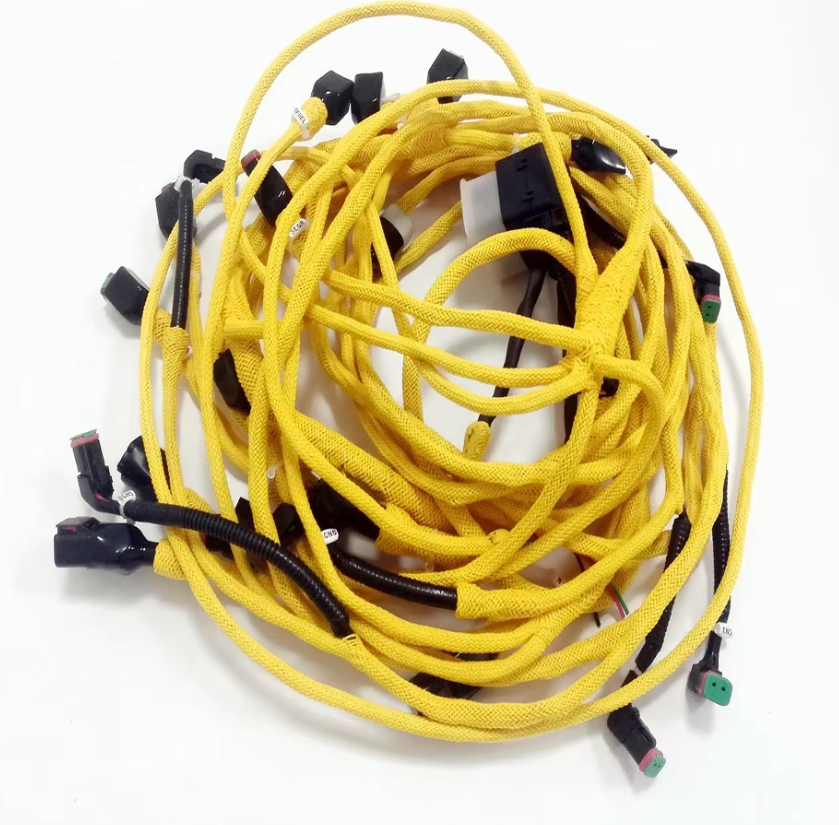
The excavator wiring harness is the nervous system of modern construction equipment, transmitting power and signals throughout the machine with precision and reliability. Understanding the architecture and diagnostics of these critical electrical components is essential for maintenance professionals, equipment managers, and procurement specialists. A well-maintained wiring harness ensures optimal machine performance, reduces downtime, and extends equipment service life.
Understanding Wiring Harness Architecture
Modern excavators utilize sophisticated electrical systems that distribute power from the battery to various components including engine controls, hydraulic system sensors, cabin electronics, and lighting systems. The wiring harness serves as the central infrastructure connecting all these systems, requiring careful engineering to withstand the demanding conditions of construction environments.
Key Components of Excavator Electrical Systems
- Main Battery Cables: Heavy-duty cables that deliver high-current power from the battery to the starter motor and main electrical distribution points
- Engine Control Module (ECM) Wiring: Precision-engineered harnesses that carry sensor data and control signals between the ECM and various engine components
- Hydraulic System Sensors: Wiring connections for pressure sensors, temperature sensors, and position sensors throughout the hydraulic system
- Cabin and Control Wiring: Harnesses connecting the operator console, monitors, and control switches to the machine’s electrical systems
- Lighting System Wiring: Durable wiring for work lights, warning lights, and auxiliary lighting installations
Companies like TopSealKit specialize in providing quality replacement wiring harnesses and electrical components for all major excavator brands, ensuring reliable performance and easy installation.
Common Wiring Harness Failure Modes
Understanding why wiring harnesses fail is crucial for implementing preventive maintenance strategies:
- Insulation Degradation: Exposure to heat, oil, chemicals, and mechanical stress causes insulation to crack and deteriorate over time
- Connector Corrosion: Moisture and contamination at electrical connections lead to increased resistance and intermittent operation
- Wire Chafing: Vibration and movement cause wires to rub against metal edges, eventually wearing through insulation
- Terminal Damage: Repeated connection cycles and corrosion damage electrical terminals, resulting in poor conductivity
- Short Circuits: Compromised insulation can cause wires to contact each other or ground, triggering protective devices
Diagnostic Techniques for Electrical Systems
Effective troubleshooting requires systematic approaches and proper tools:
- Visual Inspection: Regular examination of visible wiring for signs of damage, wear, or contamination
- Continuity Testing: Using multimeters to verify complete electrical paths through harness circuits
- Insulation Resistance Testing: Measuring resistance to ground to identify compromised insulation
- Voltage Drop Testing: Identifying excessive resistance in circuits that can cause operational problems
- Connector Inspection: Checking for proper seating, corrosion, and terminal condition at all connections
When diagnostic procedures reveal harness problems, sourcing quality replacement wiring harnesses from reputable suppliers ensures reliable long-term performance.
Maintenance Best Practices
Implementing a preventive maintenance program for electrical systems delivers significant benefits:
- Regular inspection schedules based on operating hours and environmental conditions
- Proper cleaning procedures that remove debris without damaging components
- Protective measures including conduit installation and cable management
- Documentation of modifications and repairs for future reference
- Stocking critical replacement parts to minimize equipment downtime
The investment in proper electrical system maintenance pays dividends through improved reliability, reduced repair costs, and extended equipment service life. Whether maintaining a single machine or an entire fleet, understanding excavator wiring harness architecture and implementing systematic diagnostic procedures ensures optimal equipment performance and availability.