
Hydraulic seal failures are one of the most frequent maintenance issues on excavators — and one of the most frequently misdiagnosed. Understanding the difference between a failing wiper seal and a failing rod seal, between a contaminated system and a simple fluid leak, can save you thousands of dollars in unnecessary repairs.
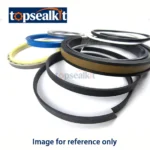
This guide covers the most common excavator hydraulic seal problems, how to diagnose them accurately, and the right fix for each situation — using quality excavator seal kits.
Problem 1: External Hydraulic Oil Leaks Around the Cylinder Rod
Symptoms: Visible hydraulic oil dripping or weeping from around the piston rod where it exits the cylinder gland. Oil may accumulate on the machine frame, ground, or tracks beneath the cylinder.
Diagnosis: External rod leaks are almost always caused by a failing rod seal. The wiper seal may still be functioning (preventing contamination entry), but the rod seal itself can no longer hold pressure.
Causes: Normal wear and aging (most common), rod surface damage from contamination or mechanical contact, incorrect seal installation, incompatible hydraulic fluid, or high system pressure exceeding seal rating.
The Fix: Replace the rod seal and all related seals using a complete hydraulic cylinder seal kit. Before installing new seals, inspect the rod surface carefully. Any scratches, pitting, or chrome damage must be addressed — a damaged rod will destroy new seals within hours.
Problem 2: Hydraulic Contamination (Milky or Discolored Fluid)
Symptoms: Hydraulic fluid appears milky, foamy, or unusually dark. System warning lights may activate. Reduced hydraulic performance and increased pump noise.
Diagnosis: Milky fluid usually indicates water contamination — often from a failed wiper seal allowing water to enter during pressure washing or wet operating conditions. Dark, gritty fluid usually indicates solid particle contamination from seal wear debris or external contamination.
Causes: Failed wiper seal, degraded hydraulic fluid from heat cycling, contaminated fresh fluid added during maintenance, or a ruptured hydraulic line.
The Fix: Replace the wiper seal (and all other seals in the affected cylinder). Flush the hydraulic system and replace all fluid. Investigate and address the contamination source to prevent immediate re-failure. Check all cylinder rod surfaces for damage that could be initiating the contamination cycle.
Problem 3: Excavator Cylinder Drift (Unintended Movement)
Symptoms: When a control lever is in neutral with a load on the attachment, the cylinder slowly moves — the boom drops, the arm retracts, or the bucket opens. Drift rates vary from barely perceptible to rapid.
Diagnosis: Cylinder drift is caused by a failing piston seal. The piston seal can no longer hold pressure differential between the two sides of the piston, allowing fluid to bypass and the load to slowly move the cylinder.
Causes: Piston seal wear from normal use, contamination in the hydraulic fluid scratching the seal surface, excessive system pressure, or incorrect seal installation.
The Fix: Replace the piston seal and all other seals in the affected cylinder. Investigate the hydraulic system for contamination sources and flush if necessary. Check system pressure to ensure it is within specifications — excessive pressure accelerates piston seal wear.
A classic example: the CAT 308D CR SB Oil Seal Kit replaces the complete piston seal assembly along with all backup rings, O-rings, and buffer seals — giving the cylinder a full, predictable service life.
Problem 4: Slow or Sluggish Cylinder Response
Symptoms: Cylinders respond slowly to control inputs, or require more lever movement than normal to achieve the same speed. Overall machine productivity decreases noticeably.
Diagnosis: Slow response is typically caused by internal leakage — fluid bypassing worn seals inside the cylinder itself. This reduces effective cylinder force and speed. Can also be caused by hydraulic system issues (pump wear, valve problems, restricted filters).
Causes: Worn piston seals allowing fluid to bypass, worn rod seals with excessive clearances, aerated hydraulic fluid, low fluid level, or failing hydraulic pump.
The Fix: First verify the hydraulic system is functioning correctly (check fluid level, filters, and pump output). If the system is healthy, the cylinder itself is likely the culprit. Replace all seals in the affected cylinder with a complete seal kit, and inspect the piston and bore for scoring or wear.
Problem 5: Excessive Hydraulic Fluid Consumption
Symptoms: Hydraulic fluid levels drop faster than normal. Topping up becomes a frequent maintenance task. May be accompanied by visible leaks.
Diagnosis: High fluid consumption usually indicates a leak — either external (visible oil around cylinders, fittings, or hoses) or internal (fluid bypassing seals and burning in the hydraulic circuit, indicated by blue smoke or low reservoir level without visible leaks).
Causes: Failed rod seals (most common external cause), failed cylinder gland O-rings, damaged hydraulic fittings or hoses, failed pump seals (internal leak), or overfull hydraulic reservoir.
The Fix: Systematically check all potential leak points. Start with cylinder rod seals (the most common source), then check fittings, hoses, and the hydraulic pump. Replace seals using the appropriate seal kit for your equipment.
Problem 6: Metal Contamination in Hydraulic Fluid
Symptoms: Magnetic fluid samplers show metal particles. Hydraulic fluid appears dark with a metallic sheen. Pump or motor wear accelerates.
Diagnosis: Metal particles in hydraulic fluid indicate component wear is occurring somewhere in the system — potentially from seals, cylinder bore, piston, or other hydraulic components.
Causes: Abrasive contamination entering through a failed wiper seal, cylinder bore scoring from contamination, component fatigue from age or overload, or inappropriate hydraulic fluid choice.
The Fix: Identify the contamination source through fluid analysis (wear metal composition can indicate which component is failing). Replace all seals in contaminated cylinders, flush the system thoroughly, and address the root cause to prevent immediate recontamination.
Preventive Maintenance: The Best Fix for All Seal Problems
The most cost-effective approach to hydraulic seal problems is prevention:
- Daily cylinder inspections: Check rod surfaces and look for oil accumulation at every walk-around.
- Scheduled seal replacements: Replace all seals at 4,000-6,000 hour intervals rather than waiting for failure.
- Fluid management: Keep hydraulic fluid clean and change it at manufacturer intervals.
- Contamination control: Filter all fresh fluid before adding it to the system.
Conclusion
Most excavator hydraulic seal problems follow predictable patterns — and most can be prevented or fixed with the right knowledge and the right parts. Keep quality excavator seal kits in your maintenance inventory, follow a proactive replacement schedule, and address problems early before they cascade into major system damage.
Keywords: excavator hydraulic seal problems, cylinder leak diagnosis, hydraulic seal failure, excavator repair, rod seal replacement, piston seal repair