Even the highest-quality excavator oil seal kits can fail prematurely if stored incorrectly. Proper storage extends shelf life and ensures seals perform as designed when installed. This guide covers everything you need to know about oil seal storage conditions, shelf life limits, and handling practices.
Why Oil Seal Storage Matters
Elastomeric seals are made from materials that are chemically sensitive to their environment. Temperature, light, ozone, and oxygen all cause gradual degradation — even before the seal is installed. Proper storage conditions slow this degradation and preserve the seal’s original properties.
Poor storage can reduce effective seal life by 50% or more before the seal is ever installed. This is one of the most overlooked causes of premature seal failure in excavator maintenance operations.
Quality excavator seal kits from reputable suppliers are packaged to protect against storage degradation — but packaging alone is not enough.
Understanding Oil Seal Shelf Life
Typical Shelf Life by Material
Different elastomer compounds have different shelf life characteristics:
- Nitrile Rubber (NBR): 5-7 years when stored correctly; degrades faster in presence of ozone or high temperatures
- Polyurethane (PU): 3-5 years when stored correctly; susceptible to hydrolysis in humid conditions
- Viton/FKM: 10+ years when stored correctly; excellent ozone and weathering resistance
- Silicone Rubber: 10+ years; limited use in excavator hydraulics due to poor mechanical properties
- PTFE: Indefinite shelf life; not affected by traditional aging mechanisms
Factors That Reduce Shelf Life
Storage conditions that accelerate seal degradation:
- High temperature: Every 10C increase in storage temperature approximately doubles the aging rate
- Ozone exposure: Particularly damaging to NBR seals; caused by UV light, electrical equipment, and fluorescent lights
- Humidity: Accelerates hydrolysis in polyurethane seals; promotes mold growth
- Direct sunlight: UV radiation degrades most elastomers rapidly
- Oxygen exposure: Gradual oxidation of elastomer compounds
- Mechanical stress: Seals stored under compression or tension develop permanent deformation
Optimal Oil Seal Storage Conditions
Temperature
Store seals in a climate-controlled environment:
- Ideal temperature: 15-25C (59-77F)
- Maximum continuous temperature: 30C
- Avoid temperature cycles: Fluctuating temperatures cause condensation inside sealed packages
- Never freeze: While freezing does not permanently damage most seals, condensation on thawing causes problems
Humidity
Maintain appropriate humidity levels:
- Ideal relative humidity: Below 65%
- Maximum humidity: 75% for short periods
- Condensation prevention: Allow sealed packages to reach storage temperature before opening
Light Exposure
Protect seals from all light sources:
- Store in original packaging: Original sealed bags and boxes block light effectively
- Avoid direct sunlight: Even brief exposure to sunlight causes surface cracking in NBR seals
- Block UV light: Standard fluorescent lights emit small amounts of UV that accelerate NBR degradation
- Use opaque storage containers: Opaque plastic bins or metal containers provide additional protection
Ozone Protection
Ozone is particularly damaging to NBR seals:
- Keep away from electrical equipment: Electric motors and ozone generators produce ozone
- Avoid fluorescent lights: Some fluorescent fixtures produce measurable ozone
- Store in sealed packaging: Original sealed bags provide ozone protection
Oil Seal Packaging Requirements
Individual Seal Packaging
Quality seal manufacturers package each seal individually:
- Sealed plastic bags: Prevents air, moisture, and light ingress
- Anti-adhesive separators: Prevents seals from sticking together or deforming
- Label information: Part number, material, date of manufacture, batch number
Bulk Packaging
For bulk storage of seal kits:
- Sealed containers: Airtight bins or vacuum-sealed bags
- Desiccants: Silica gel packets to absorb moisture in humid environments
- Inventory rotation: First-in, first-out (FIFO) inventory management
Handling Best Practices
Before Opening Sealed Packages
- Bring sealed packages to storage temperature gradually (at least 2 hours)
- Inspect packaging for damage before opening
- Do not open packages until seals are needed for installation
During Handling
- Handle seals with clean, dry hands or wear clean gloves
- Do not use sharp tools near seals
- Avoid stretching or deforming seals during handling
- Do not remove anti-adhesive separators until immediately before installation
Inspection Before Installation
Before installing seals from storage, inspect each seal:
- Surface condition: Should be smooth and uniform; no cracks, chips, or surface imperfections
- Elasticity: Seal should return to shape if compressed; no permanent deformation
- Color: Should match original specification; discoloration indicates aging
- Packaging date: Verify seal is within shelf life for its material type
Stocking a Seal Kit Inventory: Best Practices
Inventory Management
For fleet managers maintaining seal kit inventory:
- FIFO rotation: Always use the oldest stock first
- Regular inspection: Check stored seals quarterly for signs of degradation
- Environmental monitoring: Log storage temperature and humidity; investigate any excursions
- Date marking: Mark incoming stock with receipt date for accurate FIFO rotation
What to Do With Old Stock
Guidelines for managing aging inventory:
- NBR seals over 5 years old: Inspect carefully; do not use if any surface cracking is visible
- PU seals over 3 years old: Inspect for signs of hydrolysis (stickiness or softness)
- FKM seals over 10 years old: Generally still usable if stored correctly; inspect before use
- PTFE seals: No practical shelf life limit; inspect for physical damage only
Record Keeping
Maintain records of:
- Receipt dates for all seal inventory
- Storage condition logs (temperature and humidity)
- Inspection results for aging stock
- Usage records linking seals to specific machine service records
Signs of Seal Degradation From Improper Storage
Surface Cracking
Fine cracks on the seal surface, particularly around the lip area:
- Cause: Ozone attack, UV exposure, or natural aging of NBR compounds
- Impact: Severely compromises sealing ability; do not install seals with visible cracking
Sticky or Gummy Surface
Seal surface feels tacky or sticks to packaging:
- Cause: Hydrolysis (moisture exposure) in PU seals, or severe aging in NBR
- Impact: Seal lip is damaged; will not seal properly
Hardening or Brittleness
Seal feels stiff and cracks when bent:
- Cause: Extended aging, heat exposure, or fluid contamination
- Impact: Seal lip cannot conform to sealing surface; will leak
Discoloration
Seal color differs significantly from specification:
- Brown or amber color in light-colored NBR: Thermal aging or fluid absorption
- White powdery residue: Sulfur bloom (normal in some NBR compounds) or contamination
- Color fading: UV exposure; surface degradation
Conclusion
Proper oil seal storage and shelf life management is essential for maintaining the quality of excavator seal kits in your maintenance inventory. By storing seals in controlled conditions — cool, dark, dry, and sealed in original packaging — you preserve their original properties and ensure reliable performance when installed.
Key storage principles: maintain temperatures below 25C, protect from light and ozone, keep seals in original sealed packaging, practice FIFO inventory rotation, and inspect seals before installation. These simple practices eliminate a major — but often overlooked — cause of premature seal failure in excavator hydraulic systems.
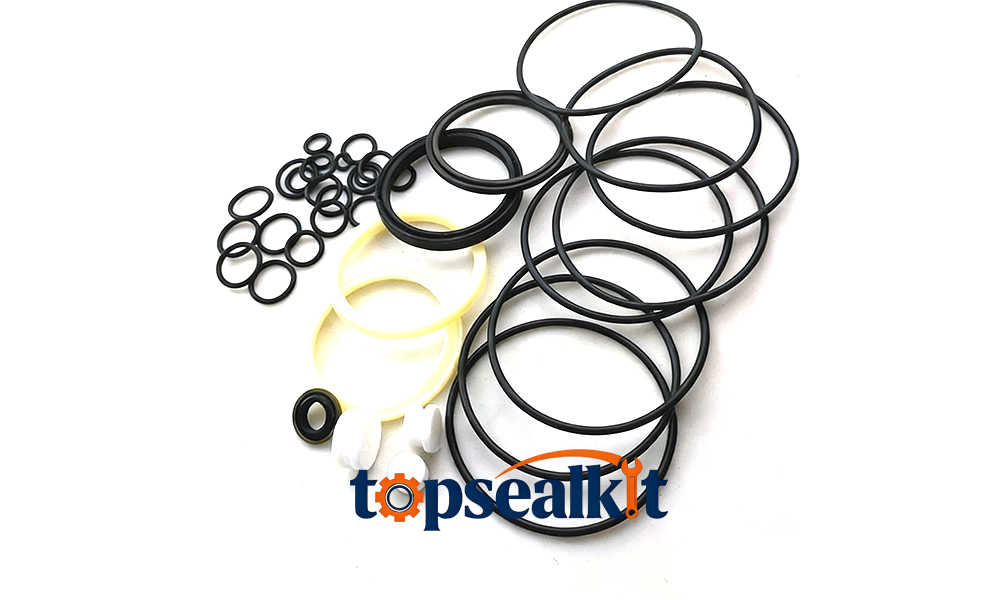
The CAT 308D CR SB Oil Seal Kit and all our excavator parts are packaged for maximum shelf life and shipped with full material specifications.
Keywords: oil seal storage, seal kit shelf life, excavator seal storage conditions, hydraulic seal degradation, NBR seal storage, PU seal shelf life