The electrification of construction equipment is no longer a distant future concept — it is happening now. Major excavator manufacturers including Volvo, JCB, Caterpillar, and Komatsu have introduced electric models, and this shift is fundamentally reshaping the hydraulic sealing industry. Understanding these changes is essential for seal suppliers, equipment manufacturers, and maintenance professionals.
The Electric Excavator Revolution: Current State
Commercial Electric Excavator Models
Multiple manufacturers now offer production electric excavators:
- Volvo EC230 Electric: 23-ton class battery electric excavator with 4-5 hour runtime
- JCB 19C-1E: Compact 1.9-ton electric excavator for indoor and urban applications
- Caterpillar 301.9: Mini electric excavator for tight spaces
- Komatsu PC210 Electric: Mid-size electric excavator in development
- Hitachi ZX230 Electric: Battery-electric mid-size excavator
Market Adoption Drivers
Electric excavator adoption is accelerating due to:
- Zero emissions requirements: Indoor construction, urban work zones, and environmentally sensitive areas
- Noise regulations: Night work permits in urban areas
- Total cost of ownership: Lower energy costs and reduced maintenance vs. diesel
- Corporate sustainability commitments: Net-zero construction pledges
Hydraulic System Differences in Electric Excavators
Reduced Peak Temperatures
Electric excavators eliminate the internal combustion engine — the primary source of heat in conventional machines:
- Lower ambient temperature: Hydraulic reservoir temperatures reduced by 15-25C
- More stable operating conditions: Less thermal cycling from engine heat variation
- Seal material implications: Lower temperatures reduce thermal degradation rates
New Hydraulic Architectures
Electric excavators often use modified hydraulic configurations:
- Variable displacement pumps: Controlled more precisely by electric motors
- Energy recovery systems: Regenerative hydraulic circuits requiring specialized seals
- Integrated electro-hydraulics: Compact system designs with unique sealing requirements
Higher System Pressures
Some electric excavator designs operate at elevated hydraulic pressures:
- Performance requirements: Electric motors can deliver peak power instantly, enabling higher pressure operation
- Compact cylinder designs: Smaller cylinders achieving same force require higher pressure
- Seal pressure ratings: Electric excavator seals may require enhanced pressure specifications
Seal Performance Requirements for Electric Excavators
Noise Reduction
Electric excavators operate much more quietly than diesel machines, making seal noise a more noticeable quality factor:
- Reduced ambient noise: Hydraulic system sounds become more prominent
- Lip seal noise: Rod seal chatter or squeal more audible
- Material requirements: Low-friction PTFE and specialized compounds for silent operation
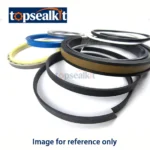
PTFE-based seal solutions in premium excavator seal kits address noise concerns.
Temperature Stability
Electric excavator seals benefit from more stable thermal conditions:
- Reduced thermal cycling: Fewer temperature fluctuations extend seal life
- Lower peak temperatures: Reduced thermal degradation
- Extended maintenance intervals: Seals last longer in stable thermal environments
Precision Sealing
Electric excavator hydraulic systems often require:
- Tighter tolerances: More precise seal dimensions for optimized performance
- Enhanced surface finish: Polished rod surfaces for reduced friction
- Quality verification: Premium seal manufacturing with stricter quality control
The Aftermarket Opportunity
Electric Fleet Maintenance Evolution
Electric excavators have different maintenance requirements:
- Fewer fluid systems: No engine oil, fewer filters, simplified maintenance
- Hydraulic system focus: Hydraulic maintenance becomes relatively more important
- Seal-centric maintenance: Seal replacement as primary maintenance activity
Specialized Seal Requirements
Electric excavator seals may require:
- Enhanced PTFE compounds: For reduced friction and silent operation
- Specialized materials: For electric excavator hydraulic fluids (often different from diesel machines)
- Custom geometries: For compact cylinder designs in electric equipment
Challenges for the Sealing Industry
Smaller Market Size
Electric excavators represent less than 5% of the global fleet — creating challenges for seal manufacturers:
- Limited product volumes: Specialized seals for electric models harder to justify
- Custom development costs: Engineering investment harder to amortize
- Inventory optimization: Predicting electric vs. diesel seal mix difficult
Technology Uncertainty
Electric excavator technology continues to evolve rapidly:
- Design changes: Hydraulic configurations still evolving
- Fluid specifications: No standardized electric excavator hydraulic fluid yet
- Component standardization: Different manufacturers use different approaches
Future Outlook: Hybrid and Full Electric Dominance?
Industry projections suggest electric excavators could reach 20-30% of new sales by 2030:
- Regulatory drivers: Emission regulations accelerating diesel phase-out timelines
- Technology improvements: Battery cost reductions enabling larger electric excavators
- Infrastructure development: Charging infrastructure expanding rapidly
This growth will reshape the sealing industry:
- PTFE dominance: Electric excavator seals increasingly use PTFE compounds
- Performance emphasis: Focus on low friction and silent operation
- Premium positioning: Electric excavator seals positioned as high-technology products
Preparing for the Electric Transition
For seal suppliers and equipment operators:
- Technology monitoring: Track electric excavator developments and hydraulic specifications
- Material development: Invest in PTFE and low-friction seal compounds
- Customer education: Help operators understand electric excavator seal requirements
- Flexible manufacturing: Capability to produce both conventional and electric excavator seals
Conclusion
Electric excavator hydraulic systems are reshaping the sealing industry, creating both challenges and opportunities. While electric excavators represent a small share of today’s fleet, their growth trajectory is steep and their impact on seal technology significant.
The shift toward electric equipment drives innovation in seal materials — particularly PTFE compounds and low-friction designs — that will ultimately benefit all excavator operators. Premium hydraulic cylinder seal kits incorporating these advanced materials are available today for operators transitioning to electric equipment.
Browse our complete range of advanced hydraulic sealing solutions designed for both conventional and electric excavator applications.
Keywords: electric excavator hydraulic systems, electric construction equipment, Volvo EC230 electric, battery excavator seals, hydraulic seal electrification, excavator seals future