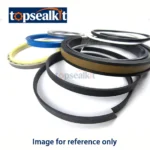

Excavators are major capital investments — compact models start at $80,000, while large mining excavators can exceed $1 million. Protecting this investment requires a disciplined, systematic approach to maintenance. One of the most cost-effective maintenance strategies is regular hydraulic cylinder seal service using quality excavator seal kits.
This comprehensive maintenance checklist covers everything you need to keep your excavator running reliably, with particular focus on the hydraulic sealing system that powers every function on the machine.
Daily Excavator Maintenance Checklist
Before Starting the Engine
- Walk-around inspection: Walk completely around the machine and look for oil leaks, loose bolts, damaged hoses, and missing guards.
- Hydraulic cylinder inspection: Check all cylinder rods for oil films, surface damage, and contamination. A healthy rod should be clean and dry when the cylinder is retracted. Any wetness around the rod entrance indicates a wiper seal or rod seal issue.
- Fluid levels: Check hydraulic oil reservoir, engine oil, and coolant levels. Top up with the correct fluids as specified in the operator’s manual.
- Track tension: Check track tension and adjust if necessary.
- Undercarriage inspection: Look for damaged track shoes, missing bolts, and unusual wear patterns.
During Operation
- Monitor hydraulic performance: Pay attention to cylinder speed, lifting force, and arm swing speed.
- Listen for unusual noises: Hydraulic pumps and motors make distinctive sounds. New noises warrant immediate investigation.
- Check for drifting: Periodically test each cylinder by holding the control lever in neutral with a load applied. Any unintended movement indicates piston seal wear.
- Monitor fluid consumption: Keep a log of hydraulic fluid additions. Rapid consumption is a reliable indicator of a leaking rod seal.
Weekly Excavator Maintenance Checklist
Hydraulic System Inspection
- Cylinder rod condition: With rods extended, inspect each one carefully for scratches, pitting, chrome flaking, and oil residue. Any rod surface damage will destroy new seals if not addressed first.
- Cylinder mounting: Check all cylinder pin connections for wear, and ensure pins are properly lubricated.
- Hydraulic filter indicator: Check the hydraulic filter restriction gauge. Replace filters if the indicator shows full restriction.
- Hydraulic oil sampling: For high-value machines, take a weekly oil sample for laboratory analysis.
Monthly Excavator Maintenance Checklist
- Complete fluid analysis: Send oil samples to a laboratory for detailed analysis of wear metals, water content, and fluid condition.
- Hydraulic system pressure test: Use a hydraulic test gauge to verify system pressures match specifications.
- Cylinder performance test: Test cylinder speeds and forces against original specifications. Document any degradation for planning repairs.
- Hydraulic hose inspection: Check all hydraulic hoses for signs of abrasion, cracking, or fitting leaks. Replace any hose showing signs of wear before it fails catastrophically.
Every 500-1,000 Operating Hours: Preventive Seal Service
This is where proactive maintenance pays its biggest dividends. At every 500-1,000 hour service interval, inspect and assess all hydraulic cylinders:
- Measure cylinder rod wear: Use a micrometer to check rod diameter at multiple points. Rods worn beyond specifications must be re-chromed or replaced before new seals will perform properly.
- Inspect seal grooves: With cylinders partially disassembled, check seal grooves for wear, corrosion, and dimensional accuracy.
- Plan seal replacements: Identify cylinders showing early signs of seal wear and schedule replacements during planned maintenance windows rather than waiting for emergency breakdowns.
Keep a stock of hydraulic cylinder seal kits on hand for your most critical machines. Having the right kit available means you can complete a full seal rebuild in a single maintenance visit rather than waiting for parts to arrive.
Every 2,000-3,000 Operating Hours: Full Hydraulic Assessment
- Hydraulic system flush: Consider a full hydraulic system flush to remove accumulated sludge and contamination.
- Component inspection: Inspect hydraulic pumps, motors, and control valves for wear indicators.
- Cylinder overhaul: For cylinders showing performance degradation, this is the ideal interval for a complete seal rebuild using a CAT 308D seal kit or equivalent.
Every 4,000-6,000 Operating Hours: Scheduled Seal Replacement
Do not wait for seals to fail before replacing them. The 4,000-6,000 hour mark is the typical service life for hydraulic seals in demanding excavator applications. At this interval:
- Replace all seals in all hydraulic cylinders with fresh excavator seal kits
- Replace all hydraulic filters
- Replace hydraulic oil
- Inspect and test all hydraulic cylinder performance
- Update maintenance records
For fleet managers, this is the most cost-effective maintenance strategy. Planned, scheduled seal replacements at 4,000-hour intervals cost a fraction of emergency repairs — and they eliminate the productivity losses of unexpected breakdowns.
The Cost of Reactive vs. Proactive Maintenance
Consider this comparison for a single CAT 320 excavator over 10,000 hours of operation:
- Reactive maintenance (wait for failure): Estimated cost: $15,000-$25,000 in emergency repairs, fluid losses, and productivity downtime
- Proactive maintenance (scheduled replacements): Estimated cost: $4,000-$6,000 in planned seal kits and labor — a savings of $11,000-$19,000
The math is clear: proactive seal maintenance is always the better business decision.
Building Your Excavator Maintenance Program
The most effective excavator maintenance programs share common characteristics:
- Detailed maintenance logs: Every service interval, every fluid change, every repair is documented with operating hours and parts used.
- Parts inventory: Keep common seal kits and filter elements in stock to enable fast turnaround on planned maintenance.
- Trained technicians: Hydraulic seal work requires specific skills. Invest in training or partner with experienced hydraulic specialists.
- Parts sourcing relationships: Build a relationship with a reliable seal kit supplier who can provide the right parts quickly when you need them.
Conclusion
A comprehensive excavator maintenance program centered on proactive hydraulic seal service is one of the most cost-effective investments you can make in your equipment fleet. By implementing the checklists and strategies outlined in this guide, you will reduce downtime, extend machine life, and significantly lower your total cost of equipment ownership.
Start with daily inspections, scale up to scheduled seal replacements at 4,000-6,000 hour intervals, and keep quality excavator seal kits in stock for your most critical machines. The investment pays for itself many times over in avoided breakdowns and extended equipment life.
Keywords: excavator maintenance checklist, hydraulic seal service, excavator preventive maintenance, fleet maintenance program, hydraulic cylinder repair, CAT excavator maintenance