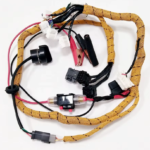
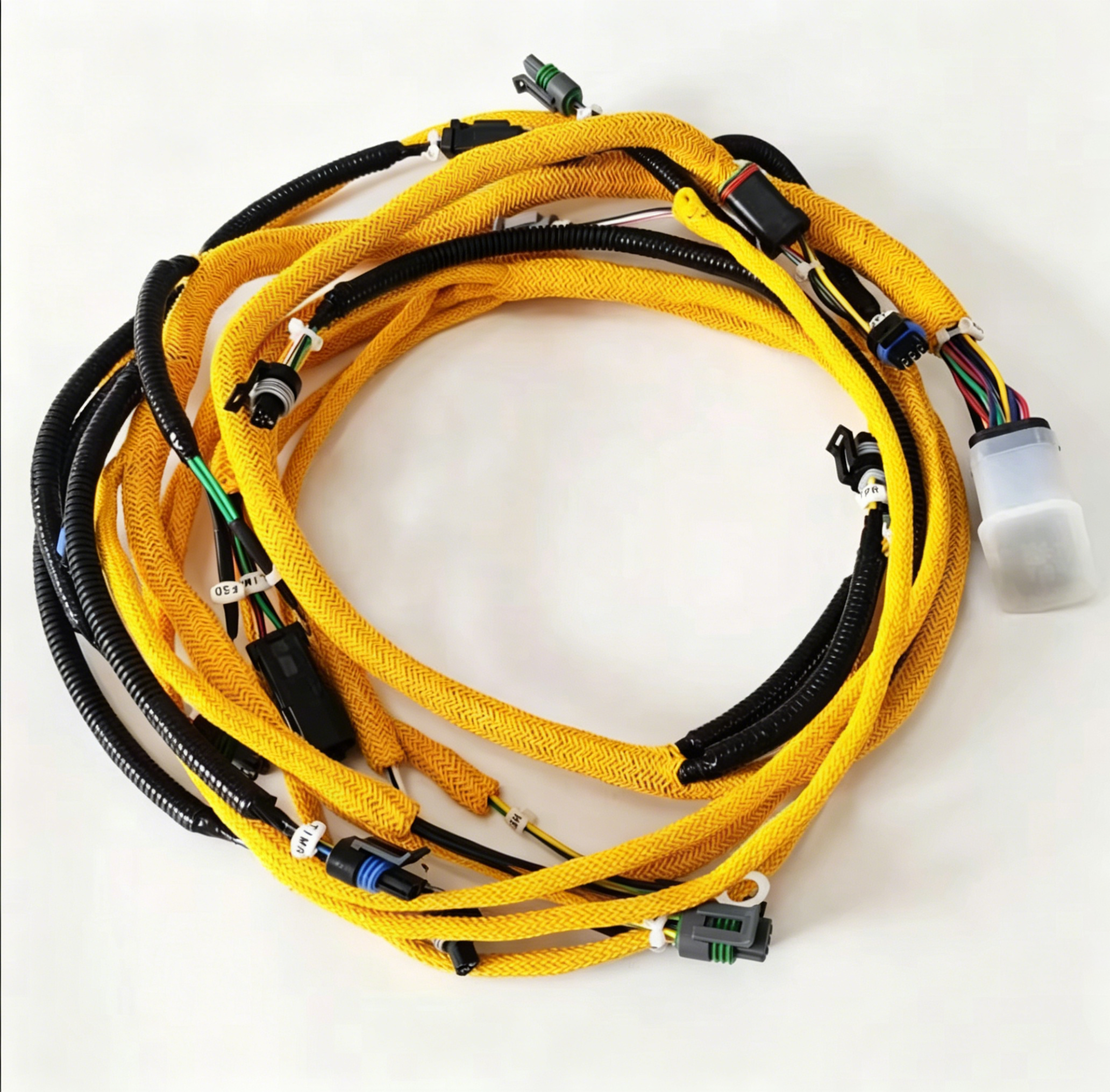
The hydraulic excavator wiring harness faces unique challenges that distinguish it from wiring systems in other heavy equipment categories. The combination of high-pressure hydraulic operations, continuous vibration, and exposure to harsh environmental conditions creates a demanding environment for electrical components. Understanding these challenges and implementing appropriate preventive measures is essential for maintaining equipment reliability and minimizing costly unplanned downtime.
The Demanding Environment for Excavator Electrical Systems
Construction sites expose excavators to conditions that would quickly degrade inferior electrical systems. The wiring harness must withstand constant vibration from the engine and hydraulic pumps, temperature extremes ranging from freezing winters to scorching summers, exposure to water, mud, dust, and chemical contaminants, mechanical stress from cable routing through moving components, and electromagnetic interference from the engine and hydraulic systems.
Companies like TopSealKit engineer their replacement wiring harnesses specifically for these demanding conditions, using premium materials and manufacturing standards that exceed original equipment specifications.
Common Electrical Failure Patterns in Hydraulic Excavators
Understanding the typical failure patterns helps maintenance professionals implement targeted preventive strategies:
- Hydraulic Fluid Contamination: Oil and hydraulic fluid degradation can attack wire insulation, particularly at connection points where fluid pooling commonly occurs
- Vibration-Induced Fatigue: Continuous vibration causes wires to work loose from terminals and connectors over time, leading to intermittent electrical connections
- Thermal Cycling Damage: Repeated heating and cooling cycles cause materials to expand and contract, stressing connections and insulation
- Moisture Intrusion: Water and humidity infiltrate damaged cable jackets, causing corrosion and short circuits
- Mechanical Chafing: Cables rubbing against metal edges or each other eventually wear through protective insulation
Preventive Maintenance Strategies for Electrical Systems
A proactive approach to electrical system maintenance significantly reduces the risk of unexpected failures:
- Regular Visual Inspections: Incorporate wiring checks into routine service procedures, examining for damaged insulation, loose connections, and signs of fluid contamination
- Connector Maintenance: Clean and protect electrical connectors using appropriate dielectric greases to prevent moisture intrusion
- Proper Routing: Ensure cables are properly supported and protected from rubbing against moving or hot components
- Environmental Protection: Install additional protective measures such as conduit and cable looms in vulnerable areas
- Documentation: Maintain records of electrical repairs and modifications to track recurring issues and inform future maintenance
Quality Considerations for Replacement Wiring Harnesses
When replacement becomes necessary, selecting quality components ensures reliable long-term performance:
- Material Specifications: Premium wire insulation resists oil, heat, and abrasion better than economy alternatives
- Connector Quality: Factory-grade connectors ensure proper fit and reliable electrical contact
- Manufacturing Standards: Harnesses built to OEM specifications or higher ensure compatibility and durability
- Supplier Reputation: Working with established suppliers like TopSealKit provides confidence in component quality and technical support
The investment in quality replacement parts and preventive maintenance pays dividends through improved equipment uptime, reduced repair costs, and extended machine service life. Hydraulic excavator wiring harnesses represent a critical system that rewards careful attention through reliable equipment performance.