In the heavy machinery industry, downtime is the ultimate profit killer. Among the components that keep an excavator running at peak performance, hydraulic oil seals are arguably the most critical yet frequently overlooked.
A single seal failure can lead to hydraulic pressure drops, fluid contamination, and eventually, catastrophic cylinder damage. For fleet managers, mechanics, and parts distributors, understanding the nuances of hydraulic oil seals is not just about maintenance—it is about maximizing ROI.
In this comprehensive guide, we will dive deep into the science behind excavator hydraulic seals, their material compositions, why they fail, and how to choose the right replacements for high-pressure environments.
1. The Anatomy of an Excavator Hydraulic Sealing System
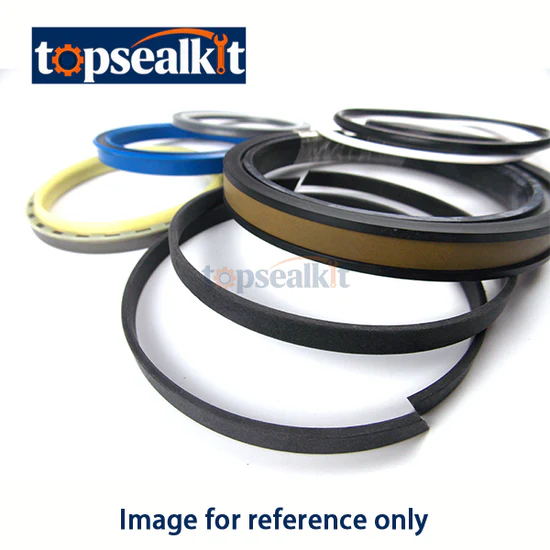
An excavator’s hydraulic cylinder does not rely on a single seal; it utilizes a highly engineered sealing system. Each seal within the cylinder has a distinct structural responsibility to manage pressure, friction, and fluid retention.
-
Rod Seals: Positioned on the cylinder head, their primary job is to prevent hydraulic fluid from leaking out of the cylinder as the rod retracts. They must withstand high pressure fluctuations and resist wear.
-
Buffer Seals: Located just ahead of the rod seal, the buffer seal protects the main rod seal from sudden pressure spikes (shock loads) during heavy digging operations.
-
Piston Seals: These seals prevent fluid from bypassing the piston, ensuring the cylinder can maintain pressure on both sides to extend and retract with maximum force.
-
Wiper/Dust Seals: Placed at the very edge of the cylinder head, wipers scrape dirt, mud, moisture, and abrasive particles off the rod as it retracts, protecting the internal sealing elements from contamination.
-
Wear Rings / Guide Rings: These prevent metal-to-metal contact between the piston/rod and the cylinder bore, absorbing side loads and maintaining perfect alignment.
Internal Link Optimization: If you are experiencing fluid bypass issues inside the cylinder, explore our heavy-duty [Excavator Piston Seals Collection – /collections/piston-seals] engineered for high-pressure stability.
2. Advanced Material Science: What Makes a High-Performance Seal?
Excavators operate in extreme environments—from sub-zero arctic mining to scorching desert construction sites. The material composition of the oil seal dictates its temperature range, pressure tolerance, and chemical compatibility.
Polyurethane (PU)
Modern high-performance seals predominantly use advanced Polyurethane (PU). However, not all PU is created equal. Premium aftermarket seals utilize Hydrolysis-Resistant Polyurethane (H-PU) or Thermoplastic Polyurethane (TPU).
-
Pros: Exceptional tensile strength, extreme wear resistance, and high extrusion resistance under pressure.
-
Best For: Rod seals and buffer seals facing high mechanical stress.
Nitrile Rubber (NBR)
-
Pros: Excellent resistance to petroleum-based hydraulic fluids and great elasticity.
-
Best For: Static O-rings and dust seals where dynamic friction is minimal.
Fluorocarbon (FKM / Viton)
-
Pros: Can withstand temperatures exceeding 200°C (392°F) and boasts superior chemical resistance.
-
Best For: High-temperature engine or hydraulic applications where standard PU would degrade.
PTFE (Teflon)
-
Pros: Extremely low friction and zero “stick-slip” effect.
-
Best For: Glyd rings and wear rings where smooth, high-speed movement is required.
3. The Diagnostics: Decoding Hydraulic Seal Failures
To truly optimize your machinery’s lifespan, you must treat seal replacement not just as a routine chore, but as a diagnostic opportunity. When a seal fails prematurely, it usually leaves a “signature”:
| Failure Symptom | Root Cause | Preventive Action |
| Hardened, Cracked Lip | Extreme Thermal Overheating | Check hydraulic cooling system; switch to FKM/Viton seals. |
| Eroded/Nibbled Seal Heel | High-Pressure Extrusion | Reduce pressure spikes or install a Backup Ring. |
| Scratches along the Dynamic Lip | Particulate Contamination | Replace the Wiper Seal immediately; flush hydraulic fluid. |
| Uneven Wear on One Side | Cylinder Side Loading / Misalignment | Replace Wear Rings to restore proper alignment. |
Before ordering a replacement, it is crucial to match the exact technical specifications of your machine model. Using a generic seal in a high-pressure Caterpillar or Komatsu system often leads to immediate extrusion failure.
Internal Link Optimization: Prevent catastrophic failures by replacing the entire sealing system simultaneously. Browse our premium [Excavator Cylinder Seal Kits – /collections/seal-kits] for guaranteed fitment and OEM-grade durability.
4. How to Choose the Right Aftermarket Hydraulic Seals
When sourcing aftermarket parts, optimizing for search visibility and technical compatibility is key. For example, if you are searching for components for a Caterpillar 320D excavator, looking up specific industry part numbers—such as 320D Boom Cylinder Seal Kit—ensures you get a kit designed specifically to handle that model’s exact flow rate and operating pressure.
When evaluating an aftermarket brand (like topsealkit), always verify three core metrics:
-
Pressure Rating: Ensure the seals are rated for at least 40 MPa (400 bar) to handle heavy-duty digging profiles.
-
Temperature Resilience: Look for a working temperature range of -40°C to 110°C for standard PU, or higher if operating in extreme climates.
-
OEM Specification Matching: The seal profiles must perfectly match original specifications to avoid fluid micro-leakage during high-frequency strokes.
Conclusion: Don’t Let a Small Seal Stop a Massive Machine
Hydraulic oil seals might be small, but they carry the weight of your entire hydraulic system’s efficiency. Investing in high-grade Polyurethane seals, maintaining strict fluid cleanliness, and acting early on minor weeping leaks will save thousands of dollars in unscheduled downtime and component rebuilds.
Are you preparing for your next fleet maintenance cycle? Don’t settle for substandard rubber.
[Contact Our Technical Specialists Today – /pages/contact] to find the exact high-precision oil seals or custom seal kits tailored to your specific excavator make and model.