Excavator hydraulic systems operate under extreme conditions—high pressures, temperature variations, and demanding work cycles that stress every component. Among the most critical yet often overlooked elements are the solenoid valves that control hydraulic flow. Implementing proactive maintenance strategies for these components can significantly reduce downtime and extend equipment service life.
Understanding Solenoid Valve Failure Modes
Solenoid valves in excavator hydraulic systems typically fail due to several predictable causes:
- Contamination: Particles in hydraulic fluid can obstruct valve movement and damage internal seals
- Coil burnout: Electrical overloads or insufficient cooling can damage electromagnetic coils
- Mechanical wear: Repeated cycling eventually degrades valve seats and poppets
- Seal degradation: O-rings and backup rings deteriorate over time, causing internal leakage
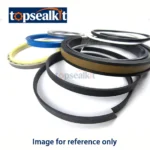
Recognizing these failure modes is the first step toward prevention. Quality replacement solenoid valves from reputable suppliers like TopSealKit are manufactured to precise tolerances and use premium materials that resist these common failure modes.
Preventive Maintenance Schedules
Rather than waiting for component failure, successful fleet operators implement preventive replacement schedules based on:
- Operating hours: Replace solenoid valves at manufacturer-recommended intervals
- Environmental conditions: More frequent replacement in dusty, wet, or high-temperature environments
- Application severity: Heavy-duty applications like mining require accelerated maintenance cycles
- Historical data: Track failure patterns to optimize replacement timing
Diagnostic Techniques for Early Problem Detection
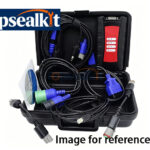
Modern diagnostic tools enable early detection of solenoid valve issues before catastrophic failure:
- Infrared thermography identifies valves running hotter than normal
- Flow testing reveals internal leakage before it becomes severe
- Electrical testing of coil resistance catches developing problems
- Response time measurement detects sluggish valve operation
Quality Parts Selection
Not all replacement parts are equal. When selecting hydraulic components, consider:
- Material specifications and compatibility with your hydraulic fluid
- Manufacturing tolerances and quality control standards
- Supplier technical support and documentation
- Warranty coverage and return policies
Installation Best Practices
Even the highest-quality solenoid valve will fail prematurely if improperly installed. Follow these critical steps:
- Clean the installation area thoroughly to prevent contamination
- Inspect mounting surfaces for damage that could cause leaks
- Use proper torque specifications—over-tightening damages threads, under-tightening causes leaks
- Prime the valve with clean hydraulic fluid before operation
- Test valve operation immediately after installation
Investing in preventive maintenance and quality components like those available from TopSealKit’s excavator hydraulic parts catalog delivers measurable returns through reduced downtime, lower total cost of ownership, and extended equipment service life.